
The Baltimore County Most Wanted Program
Baltimore County has no most wanted program in the sense most readers expect. No sheriff page posts fugitives for public viewing, no reward schedule is published, and no update cadence exists to track. That gap is real, not a failed search. Two programs do cover parts of the subject: the county's active child-support warrant list, and a federal fugitive apprehension system that reaches into Baltimore County through a regional task force.
Baltimore County Has No Most Wanted Roster
County agencies do publish law enforcement material in other forms. The police administrative manual describes the Fugitive Unit and its task force work, and press releases describe arrests. Neither is a roster of Baltimore County fugitives. Third-party sites that stitch together names and photographs from scattered sources are not official. They may be wrong and carry no duty to fix themselves, and trusting one risks misidentifying someone who merely shares a name.
How the Most Wanted Lists Work
The lists that do exist serve different masters. Baltimore County's child-support list publishes outstanding support warrants with a photo, a name, a birth date, an issue date, and a bail amount, showing results 20 to a page. Underneath it sits the county case system. The federal side is not a list at all. Federal warrants are filed in federal court, and a fugitive profile appears only when some agency decides to publish one.
Baltimore County Most Wanted Lists and Child Support
The child-support list is easy to mistake for a fugitive list because it shows photographs. It is not a most wanted program. Its scope is support enforcement in Baltimore County, its entries are warrants rather than profiles of dangerous people, and the office that maintains it wants contact, not sightings. Support enforcement is a civil obligation pursued through a court process, so a purge amount on a warrant is not a criminal bail figure. A person listed there is not by default accused of a violent offense.
How to Report a Tip Safely
Each reporting channel has one purpose. Child-support warrant tips go through the Sheriff and Baltimore County support administration. Federal profiled cases go to the federal tip line. A local police non-emergency number handles everything else.
Key point: Never approach a person you believe is wanted. Call 911 if anyone is in danger, and use a tip line or the Sheriff for information that is not an emergency.
Give the dispatcher or tip line the case number, the court, and what you saw. Guessing at an identity creates work for the agency and trouble for whoever gets misidentified in Baltimore County.
Baltimore County Most Wanted and Its Fugitive Unit
Baltimore County police run a Fugitive Unit that works warrant apprehension, tracks fugitives inside and outside Maryland, and coordinates extraditions. Its partners include sheriffs, state police, parole and probation, and the U.S. Marshals Service. The regional fugitive task force is an interagency body with more than a hundred participating agencies. Operations come and go. One dated federal release described a regional effort that ended on April 14, 2025 and reported 318 fugitive arrests across the Baltimore region, with county police among the partners. That figure covers a single operation, not a current roster. The task force structure is laid out by the U.S. Marshals Service.
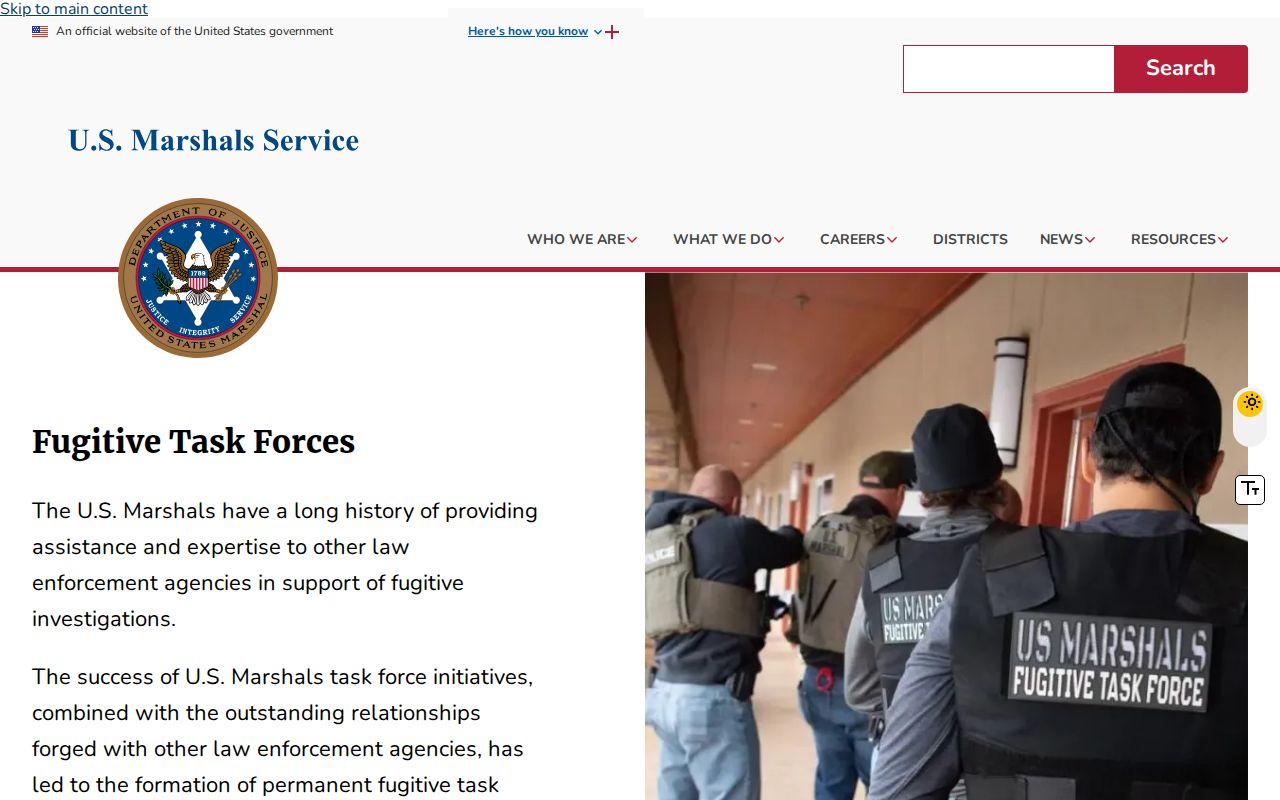
That structure explains why a Baltimore County warrant can surface far from the county line. Apprehension work follows the person, not the courthouse.
Most Wanted vs an Active Warrant
Most wanted and an active warrant are not the same thing in Baltimore County. The difference explains why a person can be wanted without appearing anywhere public.
| Point | Most Wanted Publication | Active Warrant |
|---|---|---|
| Who decides | An agency that chooses to publish a profile | A court that issues the process |
| Scope | Selected cases only, for public help | Every open warrant, whether published or not |
| Public role | Send information to the running program | Confirm status with the court, then resolve it |
Most warrants in Baltimore County are never published anywhere. A missing name on any list proves nothing about a person's status.
Federal Most Wanted Tips Beyond Baltimore County
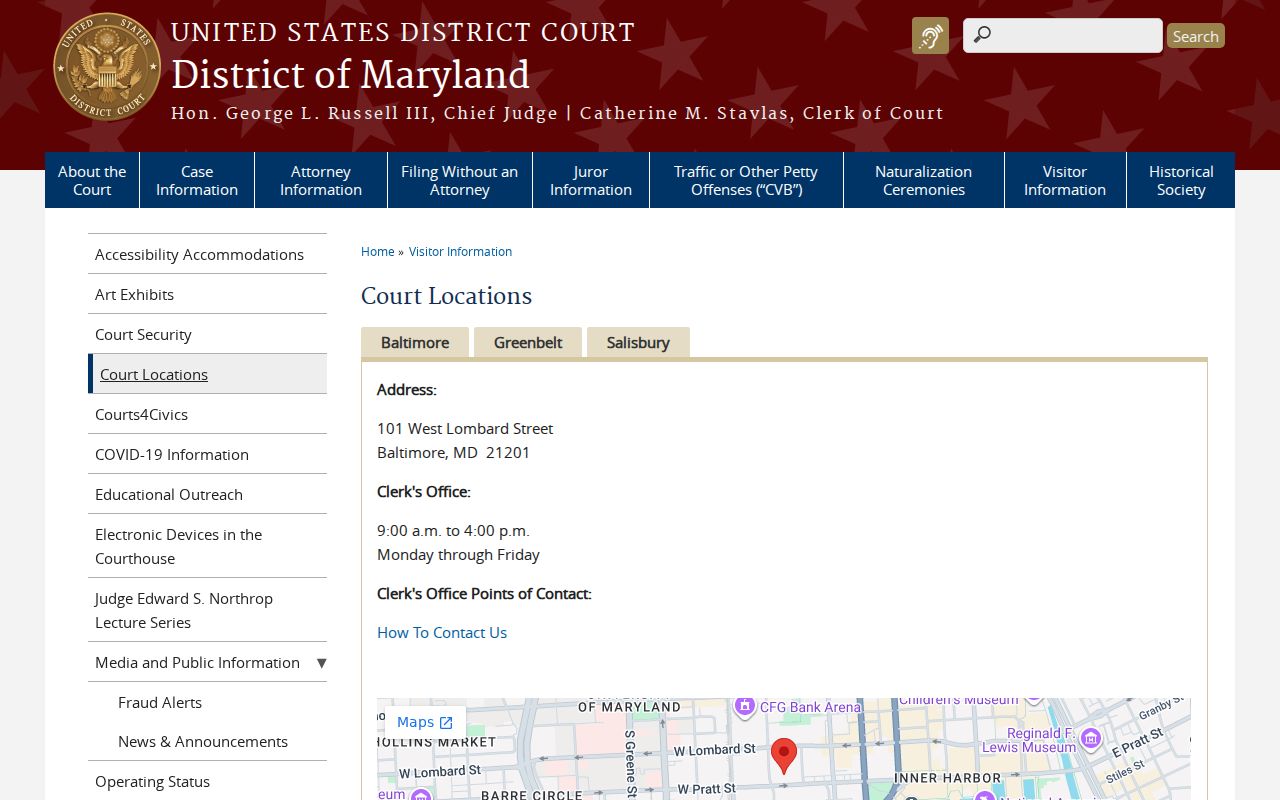
Federal cases run through the U.S. District Court for the District of Maryland and its clerk at the Baltimore courthouse, with docket access through PACER. The Marshals office for the district publishes its contact details and a tip line for profiled fugitives. That line takes information about a published case, not status checks on a person. Courthouse locations and hours are listed by the U.S. District Court for the District of Maryland.
Federal records carry fees of their own, separate from Baltimore County. Current pricing is explained on the PACER fee page.
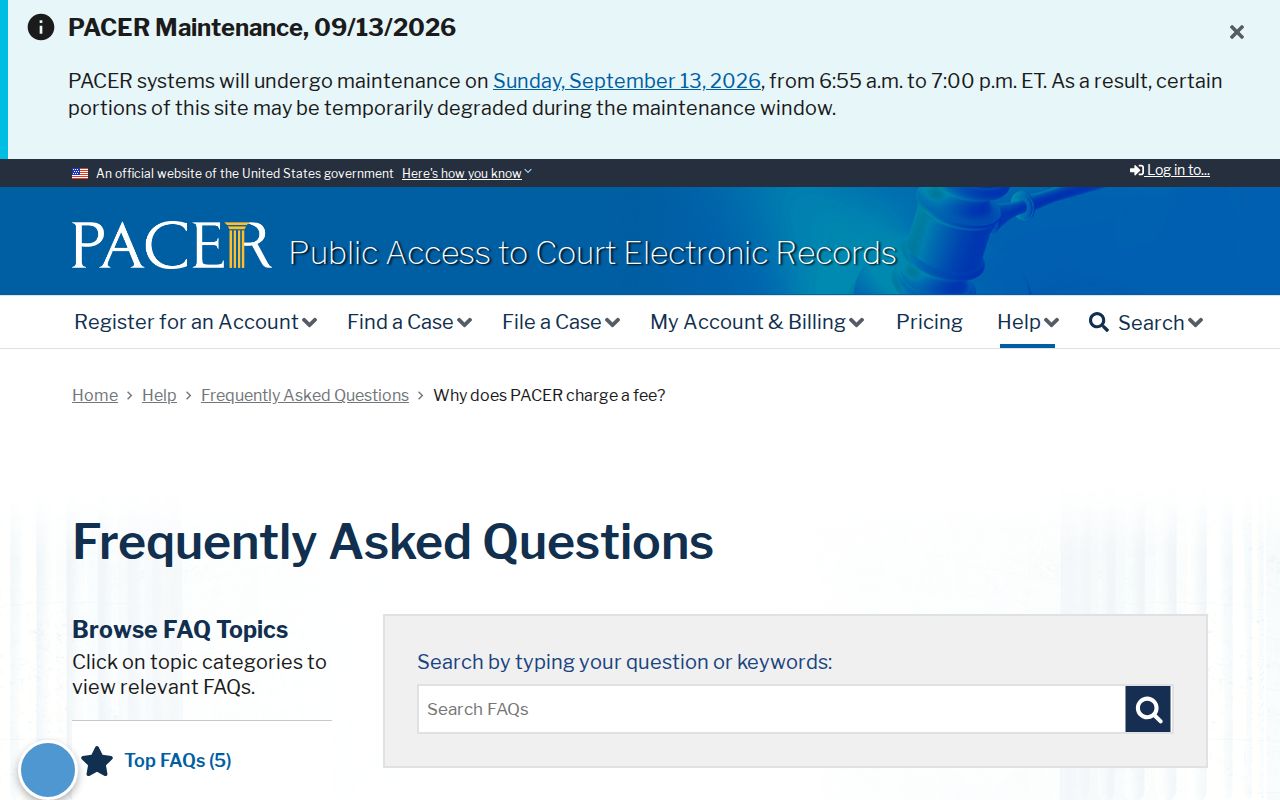
Check that page before opening a docket, since federal access is metered rather than free.
Baltimore County Most Wanted Rewards and Limits
Baltimore County publishes no reward schedule for tips about outstanding warrants, and no county office runs one. Reward money does exist elsewhere. Some federal programs pay for information, and other jurisdictions fund their own, but nothing in this county's official material sets up a local version. A caller hoping for cash should not expect it here. The county also keeps certain warrant records off limits. Internal warrant systems, service records, juvenile files, and protected financial information stay out of public view, and no public page can rebuild them. Privacy rules shield identifying details too, such as addresses, birth dates, and images of anyone who is not the subject of a published program.
If You Believe You Are on a List
Think a Baltimore County most-wanted page carries your name? That listing is just an open matter, nothing more. Skip the public back-and-forth and call a lawyer. Then contact the issuing court, since a lawyer and the court together can tell you whether an active warrant is really in play.
Important: Do not approach anyone about a listing, and do not send money to a site that offers to remove it. Only a court or the Sheriff can change a warrant.
Think a Baltimore County list has your name on it? Call the issuing court or the Sheriff. Give the clerk the case number and ask what steps the court allows, then see the records home page for county-wide help resolving a warrant.