
Arrest Warrants in Baltimore County
An arrest warrant lets police take a person into custody on a criminal charge. Baltimore County gets these documents from a judge or a District Court commissioner who has reviewed sworn facts. The warrant rides along with a charging document. The case is live from that moment. Arrest warrants are not bench warrants, and neither one is a search warrant. Each type moves through the courts on its own track, and only the arrest warrant concerns a person's custody.
Baltimore County Arrest Warrants and Probable Cause
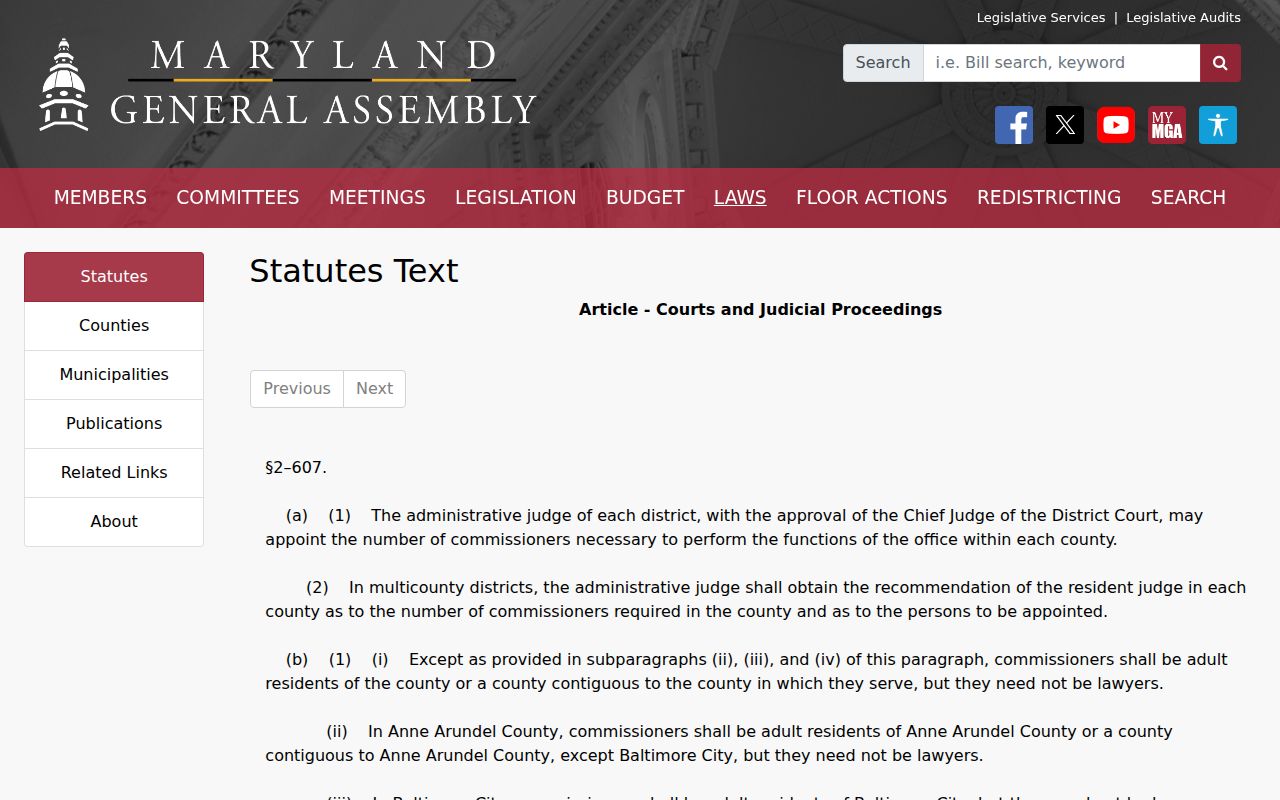
Charging in Baltimore County usually starts with a District Court commissioner, on duty in every Maryland county at all hours. An officer or a private complainant files an application for a statement of charges, and the commissioner weighs the facts for probable cause. If cause exists, the commissioner issues a summons or an arrest warrant under Courts and Judicial Proceedings § 2-607. Maryland Rule 4-212 governs the same process. Note that nobody files charges through Case Search, and the commissioner's desk is not a warrant-status counter for a Baltimore County warrant check. The General Assembly publishes the full statute text at Courts and Judicial Proceedings § 2-607 on its site.
Probable cause is the hinge of the process. Without that finding, no Baltimore County arrest warrant can issue, and with it, the case proceeds whether or not the person knows about it.
What a Baltimore County Arrest Warrant Contains
A Baltimore County warrant stays short by design. The charging document carries the detail, and a separate affidavit holds the sworn facts behind the probable-cause finding.
| Case Number | The court's identifier for the charging case, used by the clerk and the Sheriff. |
|---|---|
| Court and Issuing Authority | The judge or commissioner who signed the process, and the court that holds the file. |
| Charge | The offense alleged, with the statutory reference where one is recorded. |
| Issue Date and Time | When the process issued, which is separate from the case filing date. |
| Identity Check | The description or identifiers used by the serving officer to confirm the right person. |
| Bail or Purge Amount | Set case by case. The county publishes no general arrest warrant bond schedule. |
| Access Flag | Whether the document is public, limited, sealed, or covered by an investigative exemption. |
Why Baltimore County Warrant Affidavits Stay Restricted
The affidavit is the sworn statement that backed the probable-cause finding. Getting it is another matter. Some warrant applications and arrest-warrant records stay restricted under the state's court-record access rules, and an open investigation is a standard reason to withhold police records under General Provisions § 4-351. A Baltimore County records request reaches documents an agency already holds, not the charging decision itself. What you usually see is the docket entry. The case summary comes with it. Want more? Ask the Clerk's Office, and bring the case number. A lawyer can also advise what a case file will release, and when.
How Baltimore County Arrest Warrants Are Served
The Sheriff's Warrant Squad takes the warrants assigned to it. The squad tracks each one from receipt through service and return. County police serve warrants too. Their field manual sets separate steps for serving inside Baltimore County, serving outside it, and handling out-of-county warrants that arrive here. Service can happen at any lawful contact. That is why an open warrant is a poor thing to leave running. One caution applies. The Warrant Squad work area is restricted and closed to the public, so nobody should plan to walk in and ask.
How Baltimore County Warrant Fugitives Get Tracked
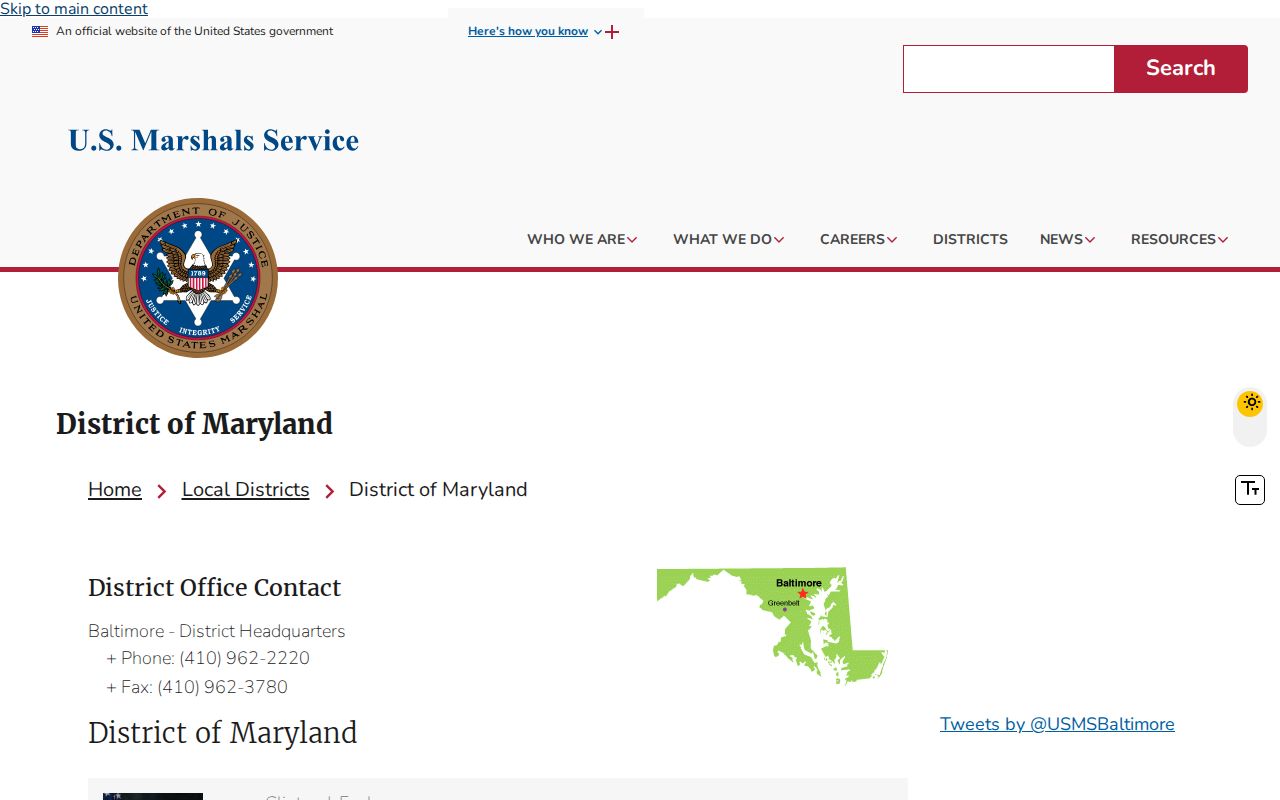
The county police Fugitive Unit handles warrant apprehension. It tracks Baltimore County fugitives in or out of Maryland and coordinates extraditions. Its partners include neighboring police departments, sheriffs, state police, parole and probation, and the U.S. Marshals Service. Federal and local agencies also run joint operations. One U.S. Marshals release dated April 25, 2025 described a regional operation running from December 2024 to April 14, 2025. It reported 318 fugitive arrests across the Baltimore region. County police were among the partners. Treat that figure as a dated milestone, not a running count. The district office contact page is published by the U.S. Marshals Service for the District of Maryland.
An arrest warrant does not stop at the county line. A Baltimore County warrant can follow a person anywhere. Someone picked up elsewhere may be held for the jurisdiction that issued the process.
Arrest Warrant vs Summons vs Bench Warrant
Three instruments, three different jobs. In Baltimore County, only two involve custody, and all three can appear in the same case file.
| Point | Arrest Warrant | Summons | Bench Warrant |
|---|---|---|---|
| Who issues it | Judge or commissioner | Judge or commissioner | Judge in an open case |
| Custody | Yes | No | Yes |
| Typical trigger | Probable cause on a charging application | Probable cause where appearance is expected | Missed date or release-condition failure |
| Where it leads | Arrest, booking, first appearance | A scheduled court date | A bail review and a reset case |
What Follows a Baltimore County Warrant Arrest
After an arrest, the person goes to the Baltimore County Detention Center at 720 Bosley Avenue while the court handles the first appearance. The department's main line is 410-512-3200. Circuit criminal cases follow a published case-management plan. A District Court judicial officer sees the person within 24 hours, or a Circuit judge at the next session, and a bail review follows. The court decides bond, not the jail. Maryland accepts a cash bond, property bail, intangible assets, and card payment through an independent service. The clerk or commissioner controls what is accepted. Child-support failure-to-pay matters follow their own payment rule, and a third party cannot always satisfy it.
Baltimore County Warrant Extraditions
A warrant from another Maryland county can be served right here in Baltimore County. The Fugitive Unit handles the handoff. It coordinates with whichever jurisdiction issued the warrant. Cases that cross state lines go through extradition instead. Federal warrants travel a separate path altogether, and they never route through county systems. Not sure who issued yours? Read the case number on the paperwork, then confirm it with that court's clerk. Guessing at the wrong county wastes a day and can leave the warrant running.
What to Do If There's a Warrant for You
Don't rush once you learn of a Baltimore County arrest warrant. Move with a plan. Confirm the charge and the court first, then work out the appearance with a lawyer. Turning yourself in beats being stopped on the road. Counsel can also ask about a bond or a recall in advance.
Important: Do not approach the Warrant Squad office or arrange a surrender on your own. Call the issuing court or the Sheriff and confirm where and when to appear.
Bring identification, the case number, and any paperwork you have. The county-wide steps for clearing a warrant are gathered on the records home page.